

The Angel Island Project

A GATE BUILT TO EXCLUDE
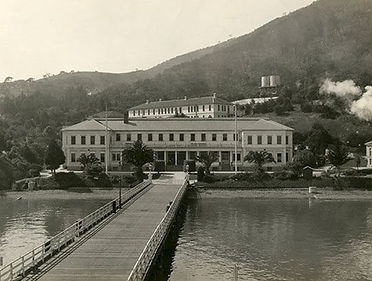
Angel Island Immigration Station operated in San Francisco Bay from 1910 to 1940. While it processed immigrants from many countries, it became especially significant in Chinese American history because Chinese migrants were often detained, interrogated, and treated as suspicious before being allowed to enter the United States. This project examines Angel Island as a local California site of historical harm and asks what truth and reconciliation might look like today.
WHY ANGEL ISLAND MATTERS
Angel Island is sometimes called the “Ellis Island of the West,” but that comparison can be misleading. Ellis Island is usually remembered as a place of arrival, while Angel Island also functioned as a detention and exclusion site, especially for Asian migrants entering through the Pacific Coast. The station was built into a larger immigration system shaped by the Chinese Exclusion Act, racial surveillance, and the government’s effort to control who could belong in the United States.

PURPOSE AND APPROACH
I created this project to study Angel Island as both a historical site of harm and a place of memory. As a Chinese American student with ties to Hong Kong, I am approaching this topic from a personal and academic interest in how immigration law shaped the lives of those passing through Angel Island. This site moves through that history step by step in different pages. The Background page explains the laws and migration routes that shaped exclusion; The Harm page focuses on detention, interrogation, and family separation; Memory and Testimony highlights poems, stories, and preservation; and Looking Toward the Future presents a Truth, Justice, and Reconciliation plan for repair.
QUICK STATISTICS
1910-1940
Station Operated
~500,000
Immigrants Detained
80+
Countries Represented
154
Poems Preserved
PAGES


